
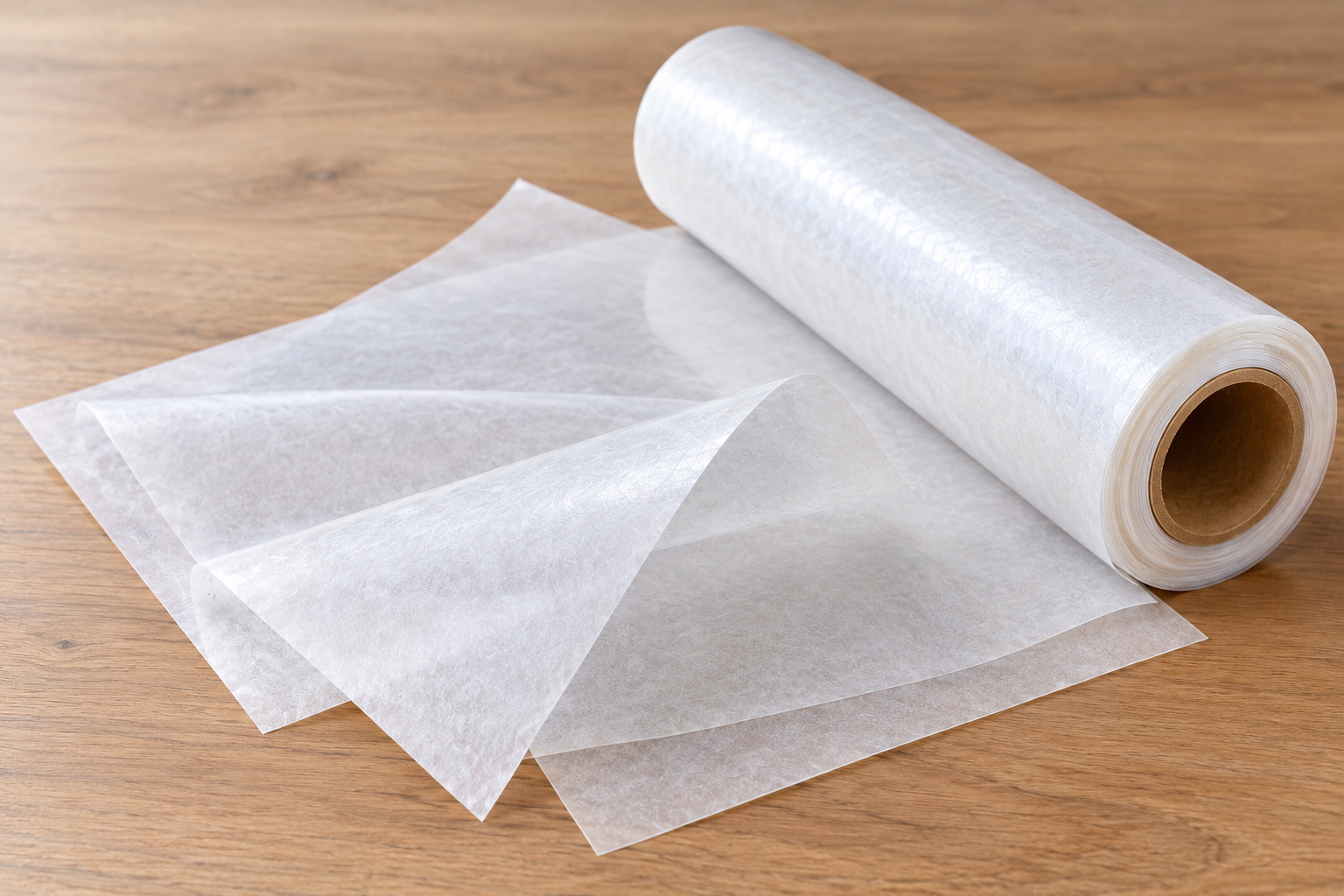
What Is Glassine Paper? A Simple Guide to This See-Through Paper
Have you ever picked up a bakery bag and noticed you could almost see the cookies inside? That shiny, see-through paper is called glassine paper. It looks a little like plastic, but it’s actually 100% paper. In this guide, we’ll explain what glassine paper is, how it’s made, and where you’ll find it in everyday life.
What Is Glassine Paper, Exactly?
Glassine paper is a smooth, glossy paper that resists grease, water, and air. Unlike regular paper, it doesn’t soak up oil or moisture easily, which is why bakeries, candy shops, and gift stores love it.
The name “glassine” comes from its glass-like shine. Even though it looks shiny like plastic film, it’s made entirely from wood pulp. That means it can be recycled and it breaks down naturally over time, unlike plastic wrap.
How Is Glassine Paper Made?
Making glassine paper takes a few extra steps compared to regular paper. Here’s the short version.
Step 1: Breaking Down Wood Into Pulp
Manufacturers start with wood chips. These chips are cooked to remove a substance called lignin, which is the natural “glue” that holds wood fibers together. Removing lignin is important, because leftover lignin would make the paper turn yellow and brittle over time.
Step 2: Pressing and Drying
Once the lignin is removed, the pulp is bleached, mixed with water, and spread out on a moving screen. As water drains away, the fibers lock together and form a thin sheet.
Step 3: The Supercalendering Process
This is the step that makes glassine paper different from ordinary paper. The dried sheet is passed again and again through heavy metal rollers, called supercalenders. This squeezes the paper fibers tightly together, closes up the tiny gaps between them, and gives the paper its glossy, see-through look.
What Makes Glassine Paper Special?
A few key traits set glassine paper apart from other packaging materials:
- Grease-resistant – oils and fats from food won’t soak through
- Water- and moisture-resistant – it holds up in humid conditions
- Naturally translucent – you can see what’s inside without opening it
- Food-safe – it’s approved for direct contact with food
- Recyclable and biodegradable – since it’s plain paper with no wax or plastic coating
Common Uses of Glassine Paper
Because it’s tough yet lightweight, glassine paper shows up in more places than most people realize.
Food Packaging
Bakeries use glassine bags for cookies, donuts, and sandwiches because grease from butter and oil won’t leak through. Candy makers also use it to wrap individual pieces.
Protecting Art and Photos
Museums and photographers place glassine sheets between prints, photographs, and stamps. The paper protects delicate surfaces from dust, moisture, and smudging without sticking to the artwork.
Retail and Gift Packaging
Many online stores use glassine as an eco-friendly alternative to plastic sleeves. It gives products a clean, upscale look while still letting customers see what’s inside.
Industrial and Specialty Applications
Glassine also serves as a base layer for release liners, labels, and other coated paper products used in manufacturing. Paper mills that specialize in this kind of coated and film-grade paper, such as ZEXN Paper’s, produce glassine-style base papers designed for these industrial packaging and label needs.
Glassine Paper vs. Parchment Paper vs. Wax Paper
People often mix these three up, so here’s a quick breakdown.
Paper Type | Heat Resistant? | Coating | Recyclable? |
Glassine paper | No (below about 150°C) | None | Yes |
Parchment paper | Yes, oven-safe | Silicone | No |
Wax paper | No | Wax | Difficult |
Parchment paper is treated with silicone, which makes it safe for baking in the oven. Glassine has no coating at all, so it shouldn’t go in the oven, but that same lack of coating is exactly why it recycles so easily. Wax paper repels moisture too, but its wax layer can melt or catch fire under heat, and it takes much longer to break down after it’s thrown away.
Is Glassine Paper Eco-Friendly?
Yes. Since glassine paper has no wax, plastic, or silicone coating, most curbside recycling programs accept it. It’s also biodegradable, so it breaks down naturally in landfills far faster than plastic film or coated papers. Brands that want to cut down on plastic packaging often switch to glassine bags and sheets for exactly this reason.
Glassine Paper Weights and How to Store It
Glassine paper comes in different weights, usually measured in grams per square meter (gsm). Lighter weights, around 30 to 50 gsm, are common for interleaving sheets used between photos or stamps. Heavier weights, closer to 60 to 90 gsm, are better for bags and food wrapping, since they hold up to more handling.
Storage matters too. Glassine paper should be kept flat, away from direct sunlight and high humidity. Extreme moisture can cause the sheets to curl or stick together over time. Most suppliers recommend storing rolls or sheets in a cool, dry space and keeping them in their original packaging until you’re ready to use them.
Frequently Asked Questions
Is glassine paper the same as parchment paper?
No. They look similar, but parchment paper is coated with silicone to make it heat-resistant for baking. Glassine paper has no coating and shouldn’t be used in the oven.
Can glassine paper be recycled?
Yes. Because it’s uncoated wood pulp paper, glassine can go into standard paper recycling bins in most areas.
Is glassine paper safe for food?
Yes. Glassine paper is approved for direct contact with food, which is why it’s so common in bakeries and candy packaging.
Final Thoughts
Glassine paper earns its place in kitchens, art studios, and warehouses for good reason. It keeps grease and moisture out, lets people see what’s inside, and breaks down naturally when it’s no longer needed. Whether you’re wrapping a gift, protecting a photograph, or packaging food for sale, glassine paper offers a simple, plastic-free solution that still looks polished. If you’re sourcing glassine-style paper for packaging or labels, manufacturers like ZEXN Paper offer specialty paper film options built for these exact needs.