
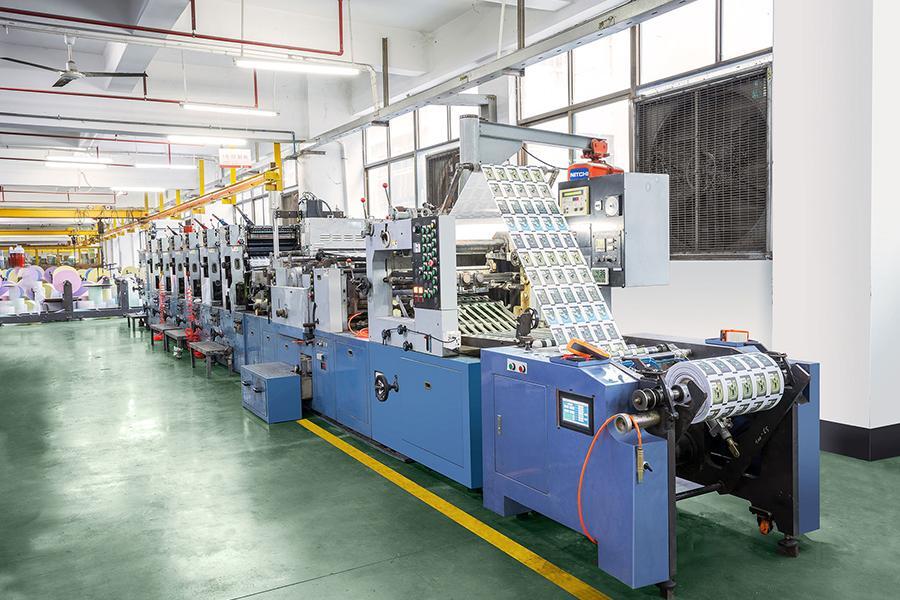
Thermal paper is one of those materials people use every single day without ever thinking about it, it’s the paper that prints your grocery receipt, your parking ticket, or the shipping label on your last online order. Despite how ordinary it seems, there’s actual engineering behind how it works, and choosing the right thermal paper matters a lot more than most businesses realize.
What is Thermal Paper?
Thermal paper is a special type of paper coated with a chemical layer that reacts to heat. Instead of using ink, thermal printers apply controlled heat directly to the paper’s surface through a thermal print head. Wherever the heat touches, the coating darkens, forming text, numbers, or barcodes almost instantly.
This is what makes thermal printing so fast and so widely used in retail, logistics, and point-of-sale systems, there’s no ink cartridge to refill, no ribbon to replace, and far fewer moving parts to maintain.
How Thermal Paper Works
The surface of thermal paper is coated with a mix of dye and a reactive chemical (commonly a leuco dye combined with a color developer). When heat is applied:
- The coating melts slightly
- The dye and developer react chemically
- A visible mark appears exactly where heat was applied
Because the image forms through a chemical reaction rather than a mechanical ink transfer, thermal printing is nearly silent and significantly faster than traditional inkjet or dot-matrix printing.
Key Features of Thermal Paper
Heat-Sensitive Coating
The defining feature of thermal paper is its specially formulated coating, designed to react precisely and consistently at a specific temperature threshold.
Smooth, Uniform Surface
A smooth surface ensures the thermal print head makes even contact across the entire sheet, which directly affects print clarity and consistency.
Fast Print Speed
Since there’s no ink-drying time involved, thermal paper supports very high-speed printing, which is why it’s the standard choice for high-volume checkout counters and shipping operations.
Available in Multiple Grades
Not all thermal paper is the same. Some grades are designed for basic receipts, while others (like BPA-free or top-coated variants) are built for longer-lasting prints or added durability against moisture and friction.
Common Uses of Thermal Paper
Thermal paper shows up across far more industries than most people expect:
- Retail & POS receipts – the most common everyday use
- ATM and banking slips
- Shipping and logistics labels – barcodes, tracking labels, warehouse tags
- Parking and ticketing systems
- Medical devices – ECG printouts, lab equipment readouts
- Fax machines – still in use across many industries
- Event and transportation tickets
Each of these applications has slightly different requirements for print longevity, width, and sensitivity, which is why thermal paper comes in multiple roll sizes and coating grades.
Advantages of Thermal Paper
1. Low Maintenance Printing
No ink, no toner, no ribbons, thermal printers only need the paper itself, which significantly reduces printing costs and maintenance over time.
2. Faster Transactions
In retail and point-of-sale environments, speed matters. Thermal printing produces receipts almost instantly, helping keep checkout lines moving.
3. Quiet Operation
Thermal printers are nearly silent compared to impact or inkjet printers, which makes them ideal for environments like banks, pharmacies, and quiet retail spaces.
4. Compact, Reliable Hardware
Thermal printers tend to be smaller and more durable, since they have fewer mechanical parts that can wear out or jam.
5. Clear, Consistent Print Quality
When the right paper grade is matched to the printer, thermal paper delivers sharp, legible text and barcodes that scan reliably, a critical factor for retail and logistics operations.
A Few Things to Keep in Mind
While thermal paper is convenient, it’s worth knowing its limitations too:
- Fades over time, especially with heat or sunlight exposure, so it’s not ideal for long-term record keeping unless archival-grade paper is used
- Sensitive to heat and friction, which means improper storage can cause premature darkening or fading
- BPA content in older formulations has pushed many buyers toward BPA-free thermal paper for health and environmental reasons
Conclusion
Thermal paper might be one of the simplest materials in daily business use, but the coating quality, grade, and print sensitivity behind it directly affect how reliable your receipts, labels, and tickets really are. Whether you’re running a retail counter, a logistics operation, or a medical facility, choosing the right thermal paper grade makes a real difference in print clarity and shelf life.
If you’re sourcing thermal paper for your business, ZEXN Paper manufactures thermal paper rolls in multiple grades and sizes, including BPA-free options, with wholesale pricing and custom sizing available, reach out for samples and a quote.